
It's Not Your Body, It's The Bra: The Misconceptions with Bras and The Effects of a Wrong Bra Fit
Words and Article Banner by Helen Pajutagana
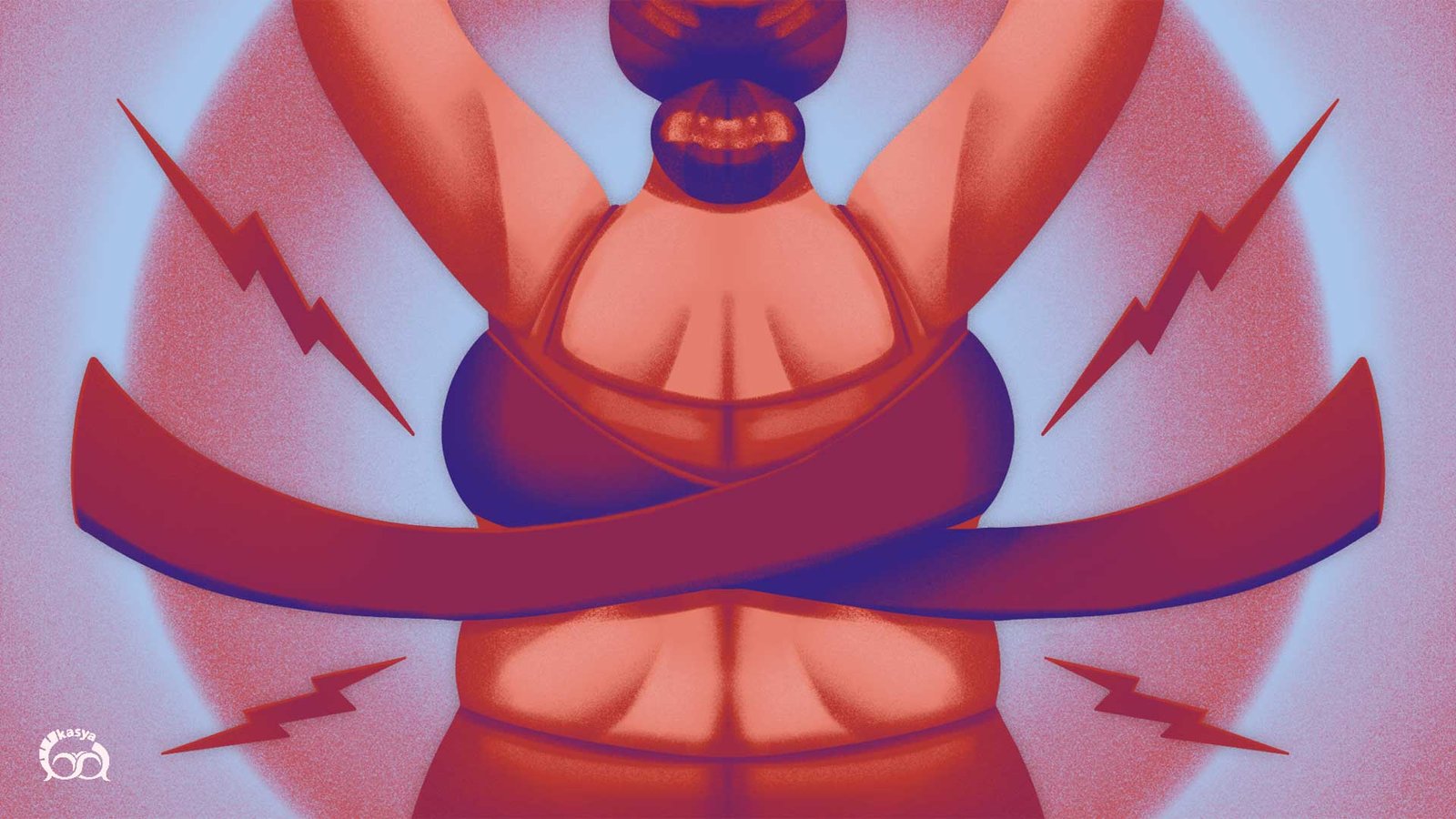
Compromise goes over comfort in buying a bra for many women, especially those with plus-sized cups.
A study by Haworth et al. (2023) showed that 75% to 100% of women wear the wrong bra size daily. Highlighting that not only is it an inconvenience, but also a source of discomfort and even health issues.
The same study stated that large-breasted women experience pain, such as chronic back pain, due to their increasing breast size. This reinforces why bras should provide physical support, instead of restriction.
Unfortunately, bra sizing is not a common topic for conversations. The lack of open dialogue surrounding bra fits lessens people’s awareness, leading to misconceptions.
This normalizes the feeling of discomfort, overlooking consequences to a woman’s body.
From debunking some misconceptions about bras to discussing the effects of a poor bra fit, this article promotes the well-being of women while giving voice to the large-breasted women who lack access to a bra that truly fits.
Bra Misconceptions that are Holding Women Tight
“Bra sizes are the same in all brands.”
There is no standardized system of measuring with bras. A 32D of one brand might have a different fit in another brand.
Bra sizes vary between brands, and even countries. Trying on bras before buying them can save not only the struggle of having a poor fit, but can also save money.
“Bust size never changes.”
Bodies never stop growing, and the same goes with your reproductive body part. Hormones, weight changes, and pregnancy can affect bust size. Testing bras for the right fit is essential to maintain comfort.
“Bra discomfort is normal.”
While sometimes new bras take a few adjustments, a significant discomfort when wearing bras is not normal. Red marks and pain are not signs of comfort. The right bra should provide support.
“The tighter the bra, the better the support.”
Tight bras can affect health, restricting breathing and causing irritation around the breast area. A well-fitted bra should not restrict you physically.
These myths are only a few of the misconceptions surrounding bra fits. Understanding the facts surrounding bras is essential for both comfort and overall health. The wrong size can cause health consequences and issues that affect a woman’s well-being.
When Support Turns to Strain
Tight bras can interfere with daily activities. Wearing a too-tight sports bra can affect women’s breathing, especially when doing physical activities such as running. Full breast support is important with a sports bra, but a space for breathing should not be compromised.
A too-tight bra can lead to constant irritation against the skin.
When a woman is always moving in her day-to-day activities, the constant rubbing can cause skin abrasions and chafing, where the outer layer of the skin is scraped, leaving redness and sometimes wounds.
Consider adjusting the straps, or finding strap extenders or an alternative bra material or texture to lessen skin irritation.
Poorly supported bras can affect posture and can cause discomfort on the neck and shoulders. Observe if straps are slipping off, if the front of the bra is lifting up, or if there is a gap on the upper part of the cups. There might be a chance that the bra is not the right fit.
Getting the Wrong Fit
Finding the right bra is not quick and easy. The average cup size of Filipino women is AA, making bra markets cater to smaller sizes. This leaves women with above average cup size, particularly with cup D and above, face the limited accessibility in finding the right bra size for themselves.
The limited range of bra sizes causes women to settle for what is available. The lack of a standardized sizing system leads to confusion in finding the right fit.
Meanwhile, available plus-size bras are mostly available at a higher price. Such problems are yet to be discussed and addressed more, leaving women to struggle with discomfort with the sizes they settle for.
A Call for Change
Ultimately, the widespread misconceptions in bra fits and the health consequences caused by the wrong bra size are not about the women who wear them, but the system that they are in.
The limited inclusivity in bra fits should not prevent women from learning about proper fit and speaking up the need for better options.
Comfort and confidence should never be compromised. It is never your body that needs to change; it is the bra.
References:
Bra Fit Guide. (n.d.). National Breast Cancer Foundation, Inc. Retrieved November 20, 2025 from https://www.nationalbreastcancer.org/wp-content/uploads/Bra-Fit-Guide.pdf
Global Women’s Health Academy. (2024). Why a too-tight sports bra may affect your breathing and energy. https://globalwomenshealthacademy.org/news/why-a-too-tight-sports-bra-may-affect-your-breathing-and-energy/2462333/
Haworth, L., May, K., Janssen, J., Selfe, J., & Chohan, A. (2024). Does an alternative breast support garment provide symptomatic relief for larger breasted women with chronic non-specific back pain?. Prosthetics and orthotics international, 48(2), 213–222. https://doi.org/10.1097/PXR.0000000000000277
Namnoum, J. D. (n.d.). 8 Consequences of wearing the wrong size bra. Namnoum. https://drnamnoum.com/blog/8-consequences-of-wearing-the-wrong-size-bra/
Shrestha, R., Krishan, K., & Kanchan, T. (2020). Abrasion. StatPearls Publishing. https://www.ncbi.nlm.nih.gov/books/NBK554465/
Why a good bra matters for posture, comfort & support. (2021, June). Thompsons Road Physiotherapy. https://trpphysio.com.au/blog/why-having-a-good-bra-is-key/